
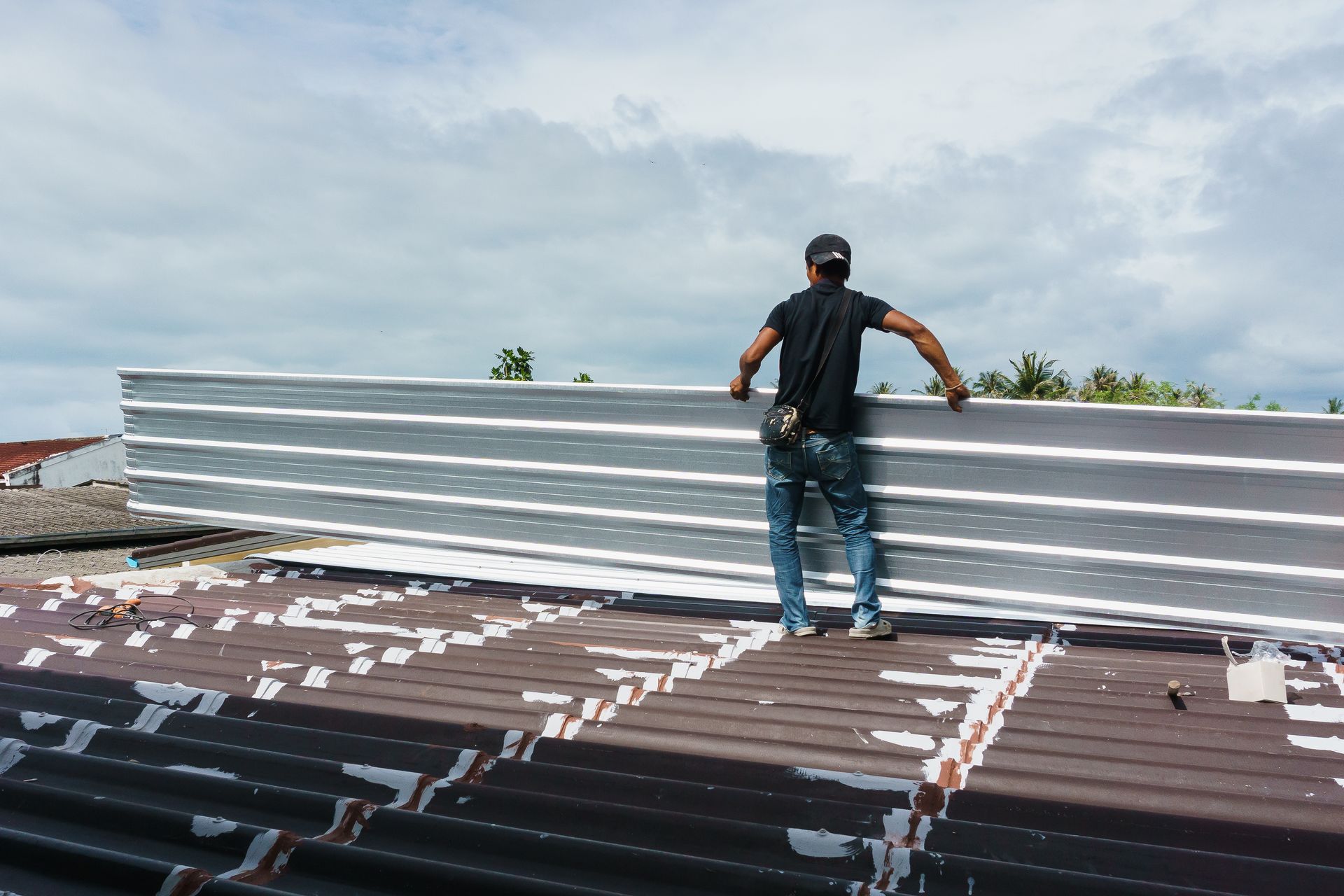
Maintaining the integrity and longevity of a commercial roof is crucial for protecting your investment and ensuring the safety of everyone within your building. A well-kept roof not only safeguards against external elements but also enhances energy efficiency. However, many property owners overlook the importance of regular roof maintenance, inspections, and timely repairs. Enlisting the help of a professional commercial roofer can be pivotal in extending the life of your roof and avoiding costly replacements. Understanding the Importance of Routine Inspections One of the primary ways a commercial roofer can extend the life of your roof is through routine inspections. Conducting regular checks allows roofers to identify potential issues before they become major problems. This proactive approach can help prevent leaks, structural damage, and other complications that could lead to a premature roof replacement. By addressing small repairs promptly, you can extend the lifespan of your roof significantly. Selecting the Right Roofing Materials Moreover, a commercial roofer is equipped with the expertise to suggest the best roofing materials suited for your location's climate and building type. For instance, metal roofing is known for its durability and longevity. According to This Old House, metal roofing can last up to 70 years, making it one of the most reliable choices for long-term investments. With a professional roofer's guidance, you can select materials that offer the best balance between cost, durability, and aesthetics, ensuring the maximum lifespan for your roof. Ensuring Ongoing Maintenance and Preventative Care In addition to material selection and inspections, commercial roofers provide essential maintenance services that can considerably extend your roof's life. Roofers perform necessary routine cleaning, removing debris, and ensuring proper drainage—all crucial elements in minimizing wear and tear. Regular maintenance can also include resealing and repainting, which are vital in protecting the roof surface from harsh weather conditions and UV damage over the years. Working with a commercial roofer is a smart investment in the longevity of your roof and the overall value of your property. Through timely inspections, informed material choices, and routine maintenance, a professional roofer helps extend your roof's useful life, saving you from unexpected expenses and enhancing the safety and efficiency of your building. Choose wisely and regularly engage a reliable commercial roofer to ensure that your roof stands the test of time. Call MSR Commercial & Industrial Service.
Finding a dependable commercial roofing contractor is a critical step for any business owner or property manager. A commercial roof is not just a protective layer for your building; it's a significant financial investment. Whether you’re dealing with a routine maintenance project, a major repair, or a complete roof replacement, hiring the right contractor can ensure that your investment is protected for years to come. Unfortunately, not all roofing companies are created equal, and choosing the wrong one can result in costly mistakes, delays, or even unsafe conditions. The good news is that there are several strategies you can use to identify a reliable commercial roofer. From understanding their experience to evaluating their reputation in the industry, taking a systematic approach will give you confidence in your decision. A well-chosen contractor can also help you navigate material options, energy efficiency considerations, and local building codes. Taking the time to research and compare contractors upfront can save both time and money in the long run. Explore five key areas to consider to help you identify a roofer who meets your specific needs while delivering quality workmanship and exceptional service. Verify Licensing and Insurance One of the first steps in finding a trustworthy commercial roofing contractor is to check their licensing and insurance. A legitimate contractor should have all necessary licenses required by your state or municipality, as well as up-to-date insurance coverage. This protects both you and the contractor in case of accidents, property damage, or unforeseen issues during the project. Request to see proof of insurance and licensing before signing any agreements. Insurance is particularly important for commercial roofing projects, which often involve large teams, heavy equipment, and potential hazards. Workers’ compensation and liability insurance safeguard against injury or damage claims, reducing your risk as a building owner. If a contractor cannot provide proper documentation, it is a strong signal to move on and consider other options. Licensing also indicates that a contractor meets industry standards and is knowledgeable about local building codes. Contractors who stay compliant with regulations tend to be more professional and reliable. By verifying these credentials upfront, you establish a baseline of trust, making it easier to evaluate other aspects of their service. Look at Experience and Expertise Experience matters greatly when it comes to commercial roofing. Different types of roofs, such as flat, metal, or TPO, require specific techniques, materials, and expertise. A contractor who has extensive experience with your roof type is more likely to identify potential issues, apply best practices, and complete the work efficiently. Ask for examples of past projects and request references from similar buildings. According to IBISWorld, there are more than 294,000 roofing contractor employees in the U.S., reflecting a highly competitive and diverse industry. While this abundance of contractors means you have many options, it also makes it essential to carefully vet each candidate. Experienced contractors often have established workflows, reliable subcontractors, and a proven track record of delivering projects on time and within budget. Don’t hesitate to inquire about specialized certifications or training. Some commercial roofing contractors are certified by material manufacturers or trade associations, which indicates they have in-depth knowledge of specific products and methods. Choosing a contractor with the right expertise ensures that your roof will be installed correctly the first time, minimizing future problems. Check Reviews and References One of the most reliable ways to gauge a contractor’s credibility is by reviewing past client experiences. Look for online reviews and pay attention to both the number of reviews and the overall rating. Positive feedback regarding timeliness, communication, and workmanship is often a strong indicator of reliability. Additionally, request direct references from the contractor. Speaking with former clients allows you to ask specific questions about their experience, such as how the contractor handled unexpected challenges, managed the schedule, and adhered to the budget. A trustworthy commercial roofing contractor will gladly provide references and encourage you to reach out. While reviews and references are helpful, it’s also important to assess how a contractor responds to criticism. Contractors who address complaints professionally and work to resolve issues demonstrate accountability and customer focus. This level of responsiveness can make a significant difference if problems arise during your own project. Evaluate Communication and Transparency Clear communication is essential when working with a commercial roofing contractor. From the initial consultation to project completion, you need a contractor who provides detailed estimates, explains the process, and updates you on progress. Poor communication can lead to misunderstandings, missed deadlines, or unexpected costs. Transparency also plays a critical role in building trust. A reputable contractor will outline the scope of work, provide a written contract, and be upfront about potential challenges or additional expenses. They should be willing to answer your questions in a straightforward manner without using excessive jargon or vague assurances. During initial meetings, pay attention to how the contractor interacts with you. Are they responsive to emails and calls? Do they listen to your concerns and address them thoroughly? The answers to these questions can reveal a lot about their professionalism. Effective communication not only ensures smoother project execution but also gives you peace of mind knowing that you are in capable hands. Compare Pricing and Warranties Cost is always a consideration when hiring a commercial roofing contractor, but it should not be the sole factor. Extremely low bids may indicate subpar materials or rushed work, while higher estimates often reflect quality and experience. Compare multiple bids carefully, examining the details of what is included and how materials, labor, and contingencies are accounted for. Warranties are another important factor to consider. A reliable contractor should offer both a labor warranty and manufacturer warranties for roofing materials. These guarantees provide protection in case of defects, leaks, or installation errors, ensuring your investment is secure over time. Be sure to read the fine print so you understand the terms and conditions. Consider the long-term value rather than just the upfront cost. A slightly higher investment in a skilled contractor with quality materials and strong warranties can save significant time and money in future repairs or replacements. Evaluating pricing and warranties together allows you to make a more informed decision and hire a commercial roofer who will deliver lasting results. Selecting a dependable commercial roofing contractor requires careful research, thoughtful evaluation, and attention to detail. By verifying licensing and insurance, assessing experience and expertise, checking reviews and references, and evaluating communication and transparency, you can narrow down your choices and feel confident in your selection. These steps reduce risk and increase the likelihood that your roofing project will be completed successfully, on time, and within budget. Hiring the right contractor is an investment in your property’s longevity and your peace of mind. Taking the time to compare bids, understand warranties, and prioritize quality over cost ensures that you choose a contractor who will stand behind their work and protect your commercial building for years to come. With a careful approach, you can find a commercial roofer who not only meets your immediate needs but also becomes a trusted partner for future roofing projects. Ensure your commercial roof is in good hands by partnering with MSR Commercial & Industrial Service. Our experienced team is ready to provide top-notch service as your go-to commercial roofing contractor .
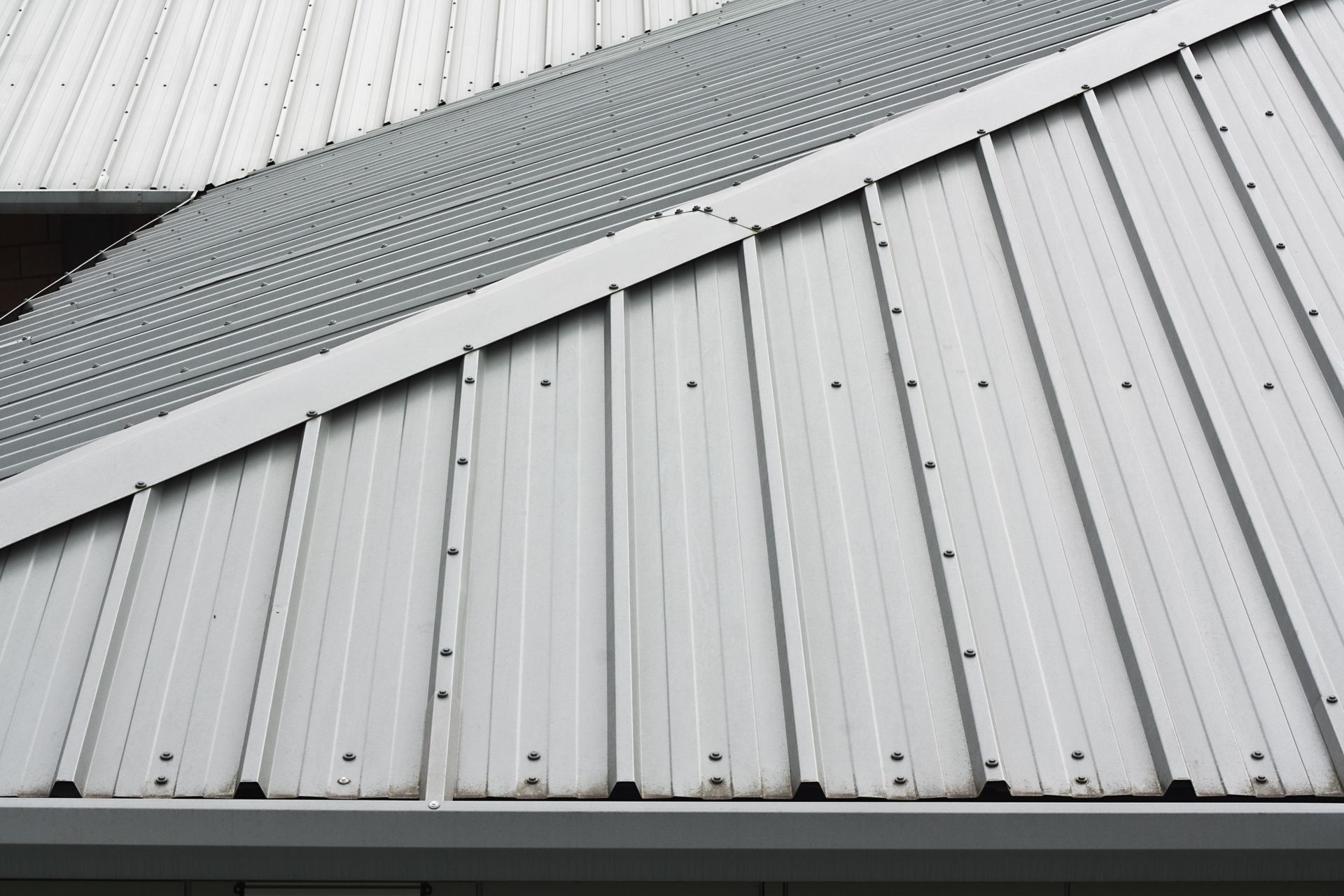
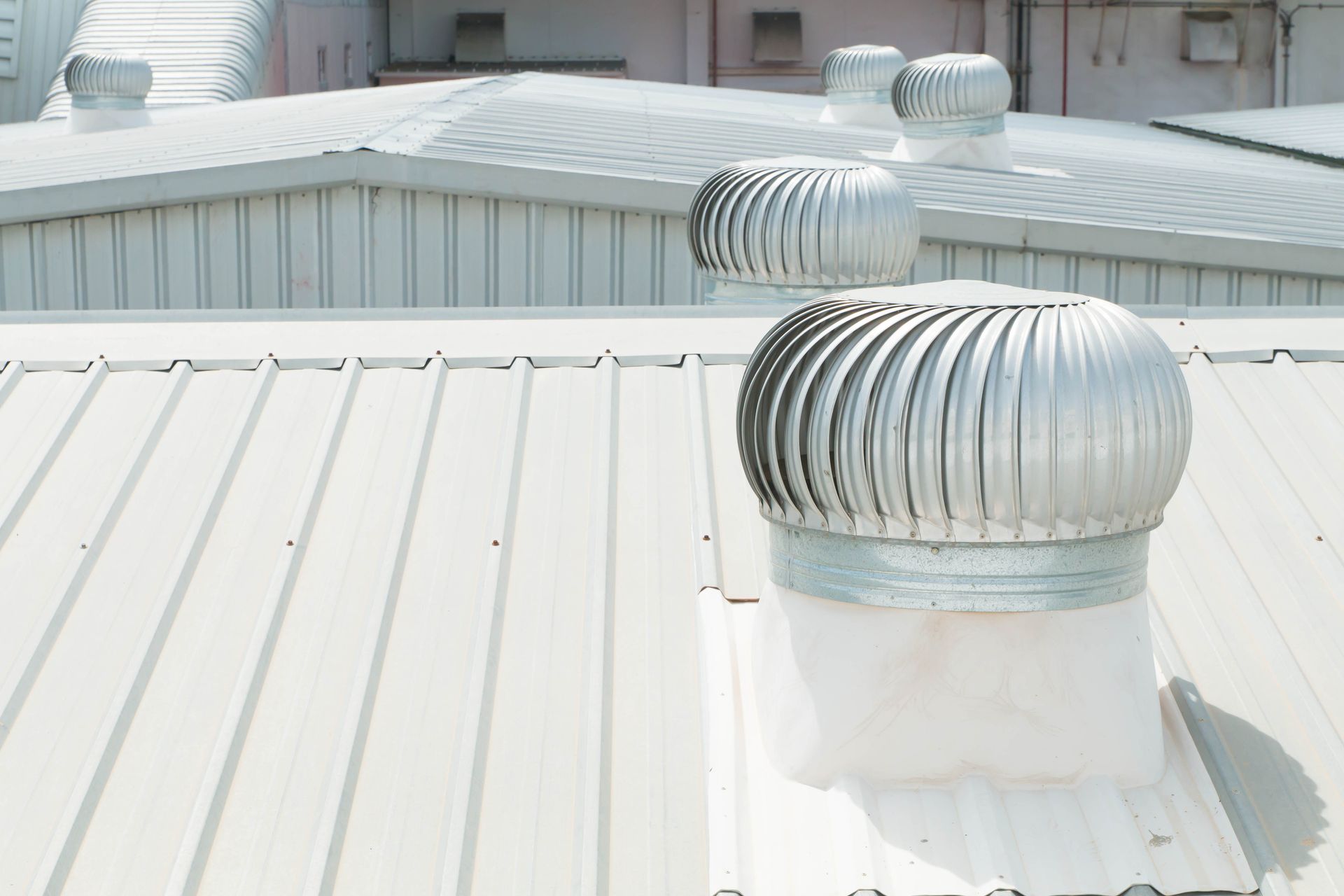
In the world of commercial enterprises, the integrity of a building's roof is crucial for the protection of assets and ensuring operational continuity. Given the significant financial investment involved, understanding best practices for maintaining commercial roofing is essential for business owners. Let's delve into the top strategies to extend the life of your commercial roofing system, thereby maximizing your investment. Choose the Right Roofing Materials Understand Material Longevity The lifespan of a roof largely depends on the materials used and the environmental conditions it faces. Common commercial roofing materials include EPDM, TPO, PVC, and metal, each offering varied lifespans. For instance, EPDM has a potential lifespan of up to 30 years, but this can be compromised if not maintained properly. Business owners must research and, if necessary, seek expert advice to select a roofing material that suits their structure's specific needs. The aim is to choose materials that offer durability, thereby reducing the frequency of costly replacements. Evaluating Climate Compatibility Climate plays a pivotal role in determining the suitability of roofing materials. Regions with high temperatures might benefit from reflective materials that minimize heat absorption, reducing air conditioning costs. Conversely, areas prone to heavy rain and snowfall might require robust materials that resist water penetration and the weight of snow accumulation. Understanding local climate conditions helps in choosing a roofing system that is not only durable but also energy efficient. Making informed choices about materials based on climate can prevent premature deterioration and extend the roof's life significantly. Assessing Energy Efficiency The right roofing material can significantly impact the energy efficiency of a commercial building. Reflective or cool roofs help reduce the amount of heat entering a building, thereby decreasing cooling costs substantially. In some cases, business owners may opt for insulated roofing systems that prevent heat loss during colder months. The decision should align with the building's energy efficiency goals, contributing to long-term savings and sustainability. By choosing energy-efficient materials, companies not only save costs but also reduce their carbon footprint. Making Budgetary Considerations Budgeting for a commercial roofing project involves balancing initial investments against long-term gains. While high-quality materials and installation experts might come at a premium, they often result in lower maintenance costs and fewer replacements. Business owners must weigh the benefits of upfront investment against the potential for future savings in repairs and replacements. According to BCC Research, 94% of roofing projects in North America are roof replacements, highlighting the importance of investing in quality from the start. A well-thought-out budget ensures that financial resources are utilized effectively in both the short and long term. Use Proper Installation Techniques Hiring Experienced Professionals Proper installation is as crucial as selecting the right materials. Employing experienced commercial roofing professionals ensures that the installation process adheres to best practices and current standards. These experts bring a wealth of knowledge regarding diverse roofing systems and project complexities, guaranteeing a meticulous approach. Professional installers are also equipped to handle unexpected challenges that may arise during the process, ensuring a seamless execution. Choosing the correct installer can significantly influence the roof's longevity and overall performance. Adhering to Manufacturer Guidelines Following manufacturer guidelines during installation preserves warranties and enhances roof performance. Every material comes with specific instructions on installation techniques, underlayment requirements, and appropriate sealing methods. Deviating from these guidelines not only voids warranties but also increases the likelihood of early failures. Ensuring adherence ensures that the roofing system functions optimally and meets the intended durability standards. With proper installation procedures, business owners can rest assured that they are getting the maximum lifespan from their investment. Ensuring Adequate Ventilation Ventilation is a key element in maintaining the health of any commercial roofing system. Adequate ventilation prevents moisture buildup, which can lead to mold growth and material degradation over time. Proper airflow also moderates temperature extremes below the roof, contributing to the building's energy efficiency. Implementing a robust ventilation system helps in extending the life of the roof by reducing thermal shock and preventing structural issues. Addressing ventilation needs during the design and installation phases is essential for optimizing roof performance. Regular Maintenance and Inspection Scheduling Routine Inspections Routine inspections form the backbone of a proactive maintenance regimen. Scheduling semi-annual inspections helps in early detection of potential issues, such as leaks or structural weaknesses. Experts conducting these inspections can provide guidance on preventive measures, fortifying the roofing system's defenses against deterioration. Regular assessments ensure that any damages are promptly addressed, preventing costly repairs or replacements down the line. Incorporating routine inspections into maintenance plans bolsters the lifespan and reliability of the roofing system. Identifying Common Issues Recognizing signs of common roofing problems is essential for timely interventions. Issues such as pooling water, damaged flashing, or wear on roofing materials can develop into significant concerns if neglected. Awareness and vigilance equip building managers with the knowledge to address minor repairs before they escalate. Educating maintenance staff about these indicators encourages proactive management and reduces disruptions in building operations. By identifying and responding to issues early, businesses save time and resources in the long run. Implementing Preventive Repairs Minor repairs, when executed promptly, ensure that small issues do not become substantial. Quick interventions such as patching leaks, resealing seams, or replacing damaged elements extend the life of your commercial roofing. Cost-effective repairs not only maintain structural integrity but also avert interruptions to the building's use. Prevention strategies contribute to long-run savings, aligning with the goals of operational efficiency and cost management. Prompt action in maintenance minimizes the need for more significant, disruptive repairs. Attending to Legal and Compliance Issues Understanding Building Codes Adhering to local, state, and national building codes is essential for legal compliance and safety. Building codes govern material suitability, structural integrity, and installation methods to ensure public safety. Regular updates to these codes mean that ongoing education and adaptation are necessary for compliance. Business owners must stay informed about revisions to safeguard against non-compliance penalties. Understanding and implementing code requirements helps in fortifying the legality and efficacy of commercial roofing projects. Navigating Zoning Regulations Zoning laws shape the extent to which property owners can modify buildings, including commercial roofing projects. Compliance with these regulations requires familiarity with zoning maps, ordinances, and variance processes. Ensuring adherence avoids potential legal disputes and supports community development objectives. Navigating these regulations involves collaboration with authorized entities and alignment with civic goals. Proactively addressing zoning considerations ensures smooth project progression and organizational harmony. Warranty and Insurance Considerations Comprehensive warranty and insurance arrangements protect against various risks during and after roofing projects. Evaluating warranty terms, coverage scopes, and insurance options helps in anticipating and mitigating potential issues. Business owners should maintain active communication with carriers to clarify policy specifics aligned with their needs. Informed decisions regarding these considerations fortify business resilience and minimize financial liabilities. Strong relationships with providers enhance strategic responses to unforeseen events. Investing in best practices for commercial roofing not only ensures the longevity and durability of your investment but also promotes operational efficiency and cost-effectiveness over time. By choosing the right materials, ensuring professional installation, maintaining diligent upkeep, and adhering to regulatory standards, business owners can protect their assets and contribute to wider sustainability efforts. For more helpful tips, reach out to the experts at MSR Commercial & Industrial Service. We can get you started today with a free quote!
Learn More About
MSR Commercial & Industrial Service
Serving Ohio, MSR Commercial & Industrial Service specializes in commercial roof repair, replacement, and installation. New customers get 5% off. Same-day service available. Over 40 years of experience. Call today.