
Commercial Roofing Best Practices for Longevity
In the world of commercial enterprises, the integrity of a building's roof is crucial for the protection of assets and ensuring operational continuity. Given the significant financial investment involved, understanding best practices for maintaining commercial roofing is essential for business owners. Let's delve into the top strategies to extend the life of your commercial roofing system, thereby maximizing your investment.
Choose the Right Roofing Materials
Understand Material Longevity
The lifespan of a roof largely depends on the materials used and the environmental conditions it faces. Common commercial roofing materials include EPDM, TPO, PVC, and metal, each offering varied lifespans. For instance, EPDM has a potential lifespan of up to 30 years, but this can be compromised if not maintained properly. Business owners must research and, if necessary, seek expert advice to select a roofing material that suits their structure's specific needs. The aim is to choose materials that offer durability, thereby reducing the frequency of costly replacements.
Evaluating Climate Compatibility
Climate plays a pivotal role in determining the suitability of roofing materials. Regions with high temperatures might benefit from reflective materials that minimize heat absorption, reducing air conditioning costs. Conversely, areas prone to heavy rain and snowfall might require robust materials that resist water penetration and the weight of snow accumulation. Understanding local climate conditions helps in choosing a roofing system that is not only durable but also energy efficient. Making informed choices about materials based on climate can prevent premature deterioration and extend the roof's life significantly.
Assessing Energy Efficiency
The right roofing material can significantly impact the energy efficiency of a commercial building. Reflective or cool roofs help reduce the amount of heat entering a building, thereby decreasing cooling costs substantially. In some cases, business owners may opt for insulated roofing systems that prevent heat loss during colder months. The decision should align with the building's energy efficiency goals, contributing to long-term savings and sustainability. By choosing energy-efficient materials, companies not only save costs but also reduce their carbon footprint.
Making Budgetary Considerations
Budgeting for a commercial roofing project involves balancing initial investments against long-term gains. While high-quality materials and installation experts might come at a premium, they often result in lower maintenance costs and fewer replacements. Business owners must weigh the benefits of upfront investment against the potential for future savings in repairs and replacements. According to BCC Research, 94% of roofing projects in North America are roof replacements, highlighting the importance of investing in quality from the start. A well-thought-out budget ensures that financial resources are utilized effectively in both the short and long term.
Use Proper Installation Techniques
Hiring Experienced Professionals
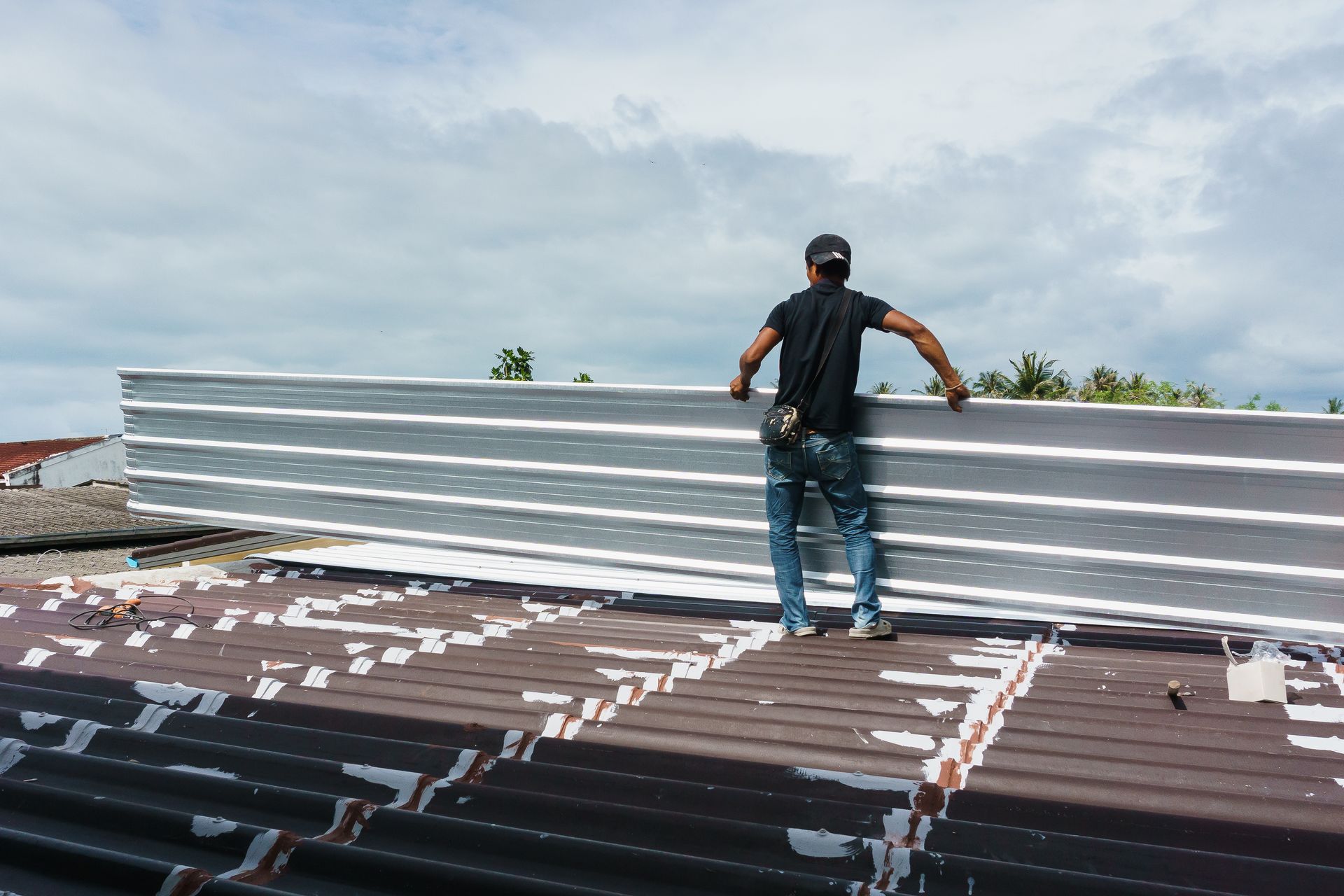
Proper installation is as crucial as selecting the right materials. Employing experienced commercial roofing professionals ensures that the installation process adheres to best practices and current standards. These experts bring a wealth of knowledge regarding diverse roofing systems and project complexities, guaranteeing a meticulous approach. Professional installers are also equipped to handle unexpected challenges that may arise during the process, ensuring a seamless execution. Choosing the correct installer can significantly influence the roof's longevity and overall performance.
Adhering to Manufacturer Guidelines
Following manufacturer guidelines during installation preserves warranties and enhances roof performance. Every material comes with specific instructions on installation techniques, underlayment requirements, and appropriate sealing methods. Deviating from these guidelines not only voids warranties but also increases the likelihood of early failures. Ensuring adherence ensures that the roofing system functions optimally and meets the intended durability standards. With proper installation procedures, business owners can rest assured that they are getting the maximum lifespan from their investment.
Ensuring Adequate Ventilation
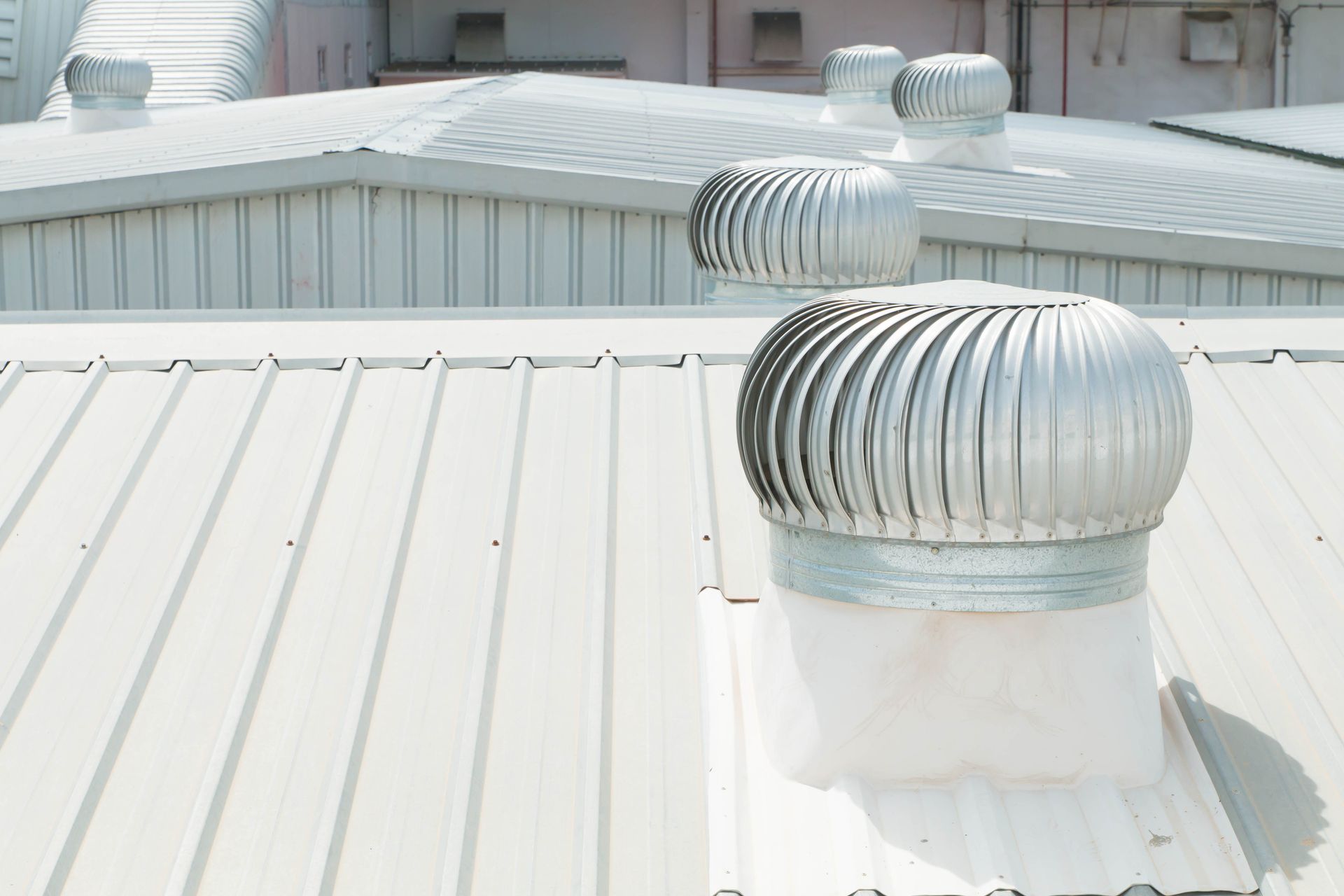
Ventilation is a key element in maintaining the health of any commercial roofing system. Adequate ventilation prevents moisture buildup, which can lead to mold growth and material degradation over time. Proper airflow also moderates temperature extremes below the roof, contributing to the building's energy efficiency. Implementing a robust ventilation system helps in extending the life of the roof by reducing thermal shock and preventing structural issues. Addressing ventilation needs during the design and installation phases is essential for optimizing roof performance.
Regular Maintenance and Inspection
Scheduling Routine Inspections
Routine inspections form the backbone of a proactive maintenance regimen. Scheduling semi-annual inspections helps in early detection of potential issues, such as leaks or structural weaknesses. Experts conducting these inspections can provide guidance on preventive measures, fortifying the roofing system's defenses against deterioration. Regular assessments ensure that any damages are promptly addressed, preventing costly repairs or replacements down the line. Incorporating routine inspections into maintenance plans bolsters the lifespan and reliability of the roofing system.
Identifying Common Issues
Recognizing signs of common roofing problems is essential for timely interventions. Issues such as pooling water, damaged flashing, or wear on roofing materials can develop into significant concerns if neglected. Awareness and vigilance equip building managers with the knowledge to address minor repairs before they escalate. Educating maintenance staff about these indicators encourages proactive management and reduces disruptions in building operations. By identifying and responding to issues early, businesses save time and resources in the long run.
Implementing Preventive Repairs
Minor repairs, when executed promptly, ensure that small issues do not become substantial. Quick interventions such as patching leaks, resealing seams, or replacing damaged elements extend the life of your commercial roofing. Cost-effective repairs not only maintain structural integrity but also avert interruptions to the building's use. Prevention strategies contribute to long-run savings, aligning with the goals of operational efficiency and cost management. Prompt action in maintenance minimizes the need for more significant, disruptive repairs.
Attending to Legal and Compliance Issues
Understanding Building Codes
Adhering to local, state, and national building codes is essential for legal compliance and safety. Building codes govern material suitability, structural integrity, and installation methods to ensure public safety. Regular updates to these codes mean that ongoing education and adaptation are necessary for compliance. Business owners must stay informed about revisions to safeguard against non-compliance penalties. Understanding and implementing code requirements helps in fortifying the legality and efficacy of commercial roofing projects.
Navigating Zoning Regulations
Zoning laws shape the extent to which property owners can modify buildings, including commercial roofing projects. Compliance with these regulations requires familiarity with zoning maps, ordinances, and variance processes. Ensuring adherence avoids potential legal disputes and supports community development objectives. Navigating these regulations involves collaboration with authorized entities and alignment with civic goals. Proactively addressing zoning considerations ensures smooth project progression and organizational harmony.
Warranty and Insurance Considerations
Comprehensive warranty and insurance arrangements protect against various risks during and after roofing projects. Evaluating warranty terms, coverage scopes, and insurance options helps in anticipating and mitigating potential issues. Business owners should maintain active communication with carriers to clarify policy specifics aligned with their needs. Informed decisions regarding these considerations fortify business resilience and minimize financial liabilities. Strong relationships with providers enhance strategic responses to unforeseen events.
Investing in best practices for commercial roofing not only ensures the longevity and durability of your investment but also promotes operational efficiency and cost-effectiveness over time. By choosing the right materials, ensuring professional installation, maintaining diligent upkeep, and adhering to regulatory standards, business owners can protect their assets and contribute to wider sustainability efforts. For more helpful tips, reach out to the experts at MSR Commercial & Industrial Service. We can get you started today with a free quote!